Programs
Bachelor of Science in Agriculture (B.S.A.) – Plant and Soil Science
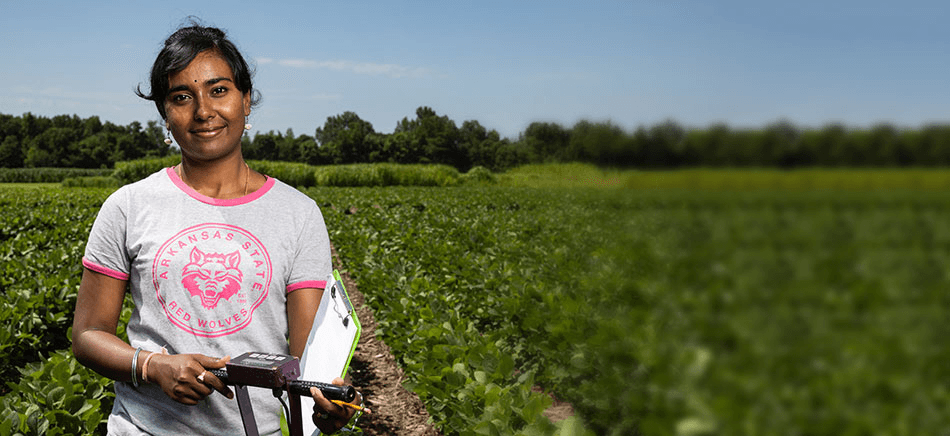
Studying abroad in the Bachelor of Science in Agriculture (B.S.A.) – Plant and Soil Science program opens the door to a field full of potential and meaning, where you can contribute to solving global challenges in food security, environmental protection, and sustainable development.
Through a high-quality program, you will be equipped with solid knowledge and professional skills in plant science, land management, and precision agriculture technology, becoming a talented agricultural expert or land manager, helping to build a greener future for the planet.
Overview of the Bachelor of Science in Agriculture (B.S.A.) – Plant and Soil Science Program
Plant and Soil Science is a broad field of study that combines basic scientific research with practical application to optimize agricultural production and protect land and environmental resources. This program trains students to become experts capable of analyzing, evaluating, and solving problems related to crops and soil, thereby contributing to improved agricultural productivity and quality while protecting the ecological environment. The Bachelor of Science in Agriculture (B.S.A.) program, with a concentration in Plant and Soil Science at the College of Agriculture, is proud of its long tradition of research and education in crop production, horticulture, land management, and precision agriculture technology.
Growth Potential of the Field
The field of Plant and Soil Science has strong growth potential for the future. As the world's population continues to grow, so does the demand for food. At the same time, climate change and land degradation are posing serious challenges to agricultural production. To address these issues, experts with in-depth knowledge of plant science and soil, and the ability to apply advanced technologies to production, are needed.
The demand for high-quality human resources in this field is increasing, opening up many attractive job opportunities for graduates. Students can work in research institutions, agricultural businesses, non-governmental organizations, or start their own businesses in high-tech agriculture.
Facilities and Faculty
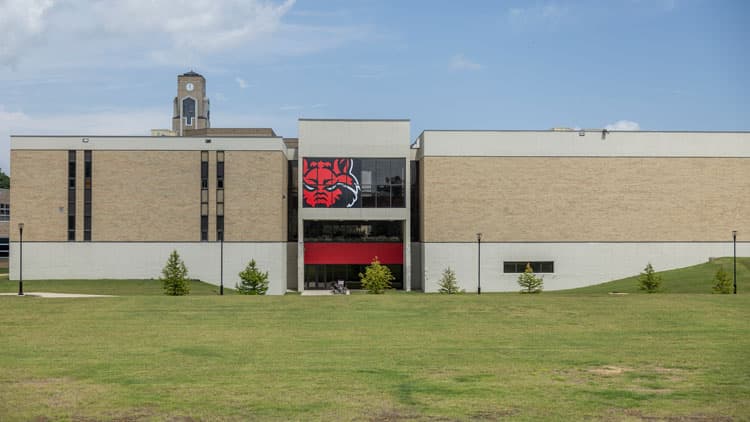
The College of Agriculture boasts modern facilities that support student learning and research. The laboratories are fully equipped with advanced equipment, and the experimental research areas are scientifically designed, creating conditions for students to practice and develop professional skills. One of the program's strengths is its excellent, experienced faculty, who are actively developing strategies for crop production management, environmental protection, ornamental plant production, and landscape management and maintenance.
The faculty are not only leading scientists and researchers in the field but also dedicated mentors, always ready to support students throughout their studies and research. Through this, the College of Agriculture provides an academic and professional environment where students can maximize their potential. The faculty, passionate scientists, are working hard to prepare the next generation of land managers and agricultural experts.
Curriculum and Core Courses
The curriculum is scientifically designed, balancing theory and practice to help students master professional knowledge and develop necessary skills. Core courses include plant biology, plant physiology, plant genetics, crop nutrition, soil chemistry, soil physics, soil microbiology, integrated pest management, and precision agriculture technology.
In addition, students can take elective courses in horticulture, landscape management, and organic farming, which help expand their knowledge and professional skills to meet the diverse needs of the labor market. Plant and Soil Science majors must complete specific courses as part of the general education program. A list of these courses, as well as other curriculum and degree requirements, can be found in the most recent Undergraduate Bulletin.
Specialized Areas in Plant and Soil Science
Students pursuing the Bachelor of Science in Agriculture (B.S.A.) – Plant and Soil Science program can choose specialized areas that suit their interests and career goals. Each area opens up unique research and development opportunities, helping students become leading experts in the field in the future. The College of Agriculture offers two specialized areas: Agronomy and Environmental Horticulture.
Agronomy
Agronomy is the study of crops and soil, focusing on optimizing crop production and improving agricultural productivity and quality. Agronomy majors will be equipped with in-depth knowledge of plant physiology, plant genetics and breeding, crop nutrition, pest and weed management, and the environmental factors that affect crop growth.
With the knowledge and skills gained, Agronomy graduates can work at research institutes, seed companies, agricultural production businesses, and participate in sustainable agriculture development projects. This is a key field that directly contributes to ensuring food security and agricultural economic development.
Environmental Horticulture
Environmental horticulture focuses on applying ecological principles to the cultivation and management of ornamental plants and urban greenery. Environmental Horticulture majors will study ornamental plant biology, landscape design, planting and tree care techniques, and weed and pest management in urban environments using biological and environmentally friendly methods.
With the rapid development of urban areas, the demand for greenery and green spaces is increasing. Environmental Horticulture graduates can work at landscape design firms, urban greenery companies, nature reserves, and participate in green, sustainable urban development projects.
The Importance of Choosing a Specialized Area
Choosing the right specialized area is very important for students. This choice will guide the direction of a student's studies, research, and future career development. Students should carefully consider their interests, abilities, and career goals to make the most suitable choice.
In addition, students should also consult with faculty and industry experts to gain a more comprehensive view of the specialized areas and their corresponding career opportunities. Choosing the right specialized area will help students maximize their potential, achieve career success, and make positive contributions to society.
Admission Requirements and Career Opportunities
To study in the Bachelor of Science in Agriculture (B.S.A.) – Plant and Soil Science program, students must meet certain admission requirements, including both foundational knowledge and necessary skills. Detailed information on these requirements, along with other curriculum and degree requirements, can be found in the most recent Undergraduate Bulletin.
Knowledge and Skill Requirements
Students need a solid foundation in the natural sciences, especially biology and chemistry. In addition, students need good logical thinking, analytical, and problem-solving skills. A passion for science and an interest in plants and the environment are also important factors that help students succeed in this field.
The ability to work both independently and as part of a team is also an essential skill. Students will participate in many research and practical projects that require effective collaboration and communication.
Diverse Career Opportunities
Graduates of the Bachelor of Science in Agriculture (B.S.A.) – Plant and Soil Science program have many attractive career opportunities in various fields. They can work at research institutions, universities and colleges, agricultural businesses, non-governmental organizations, government agencies managing agriculture and the environment, or start their own businesses in high-tech agriculture.
Common job positions include crop researcher, agricultural consultant, agricultural engineer, land management specialist, plant protection specialist, farm manager, agricultural product development specialist, and environmental and sustainable development expert.
Salary and Career Prospects
The salary of graduates from the Bachelor of Science in Agriculture (B.S.A.) – Plant and Soil Science program depends on many factors, including job position, work experience, professional qualifications, and work location. In general, the starting salary for new graduates is relatively competitive and tends to increase over time with accumulated experience.
The career prospects for this field are very promising. With the increasing demand for safe, high-quality food and sustainable agricultural development, experts in Plant and Soil Science will always be in high demand. This is a field full of potential, offering many opportunities for growth to those with passion and determination.
Conclusion
Studying abroad in the Bachelor of Science in Agriculture (B.S.A.) – Plant and Soil Science program is the right choice for those who love science, are interested in plants and the environment, and wish to contribute to the sustainable development of society. With a high-quality curriculum, a dedicated faculty, and modern facilities, the College of Agriculture is the ideal place for you to develop your knowledge and skills and pursue your passion. Seize the opportunity to become an expert in the field of Plant and Soil Science, and join hands in building a greener future for the planet.
Detailed program information (in English): https://www.astate.edu/degrees/bsa-plant-and-soil-science
This article was translated from Vietnamese and is being reviewed by our admissions team.